
FTSE 250 vs FTSE 100: Which UK Index Knocks it Out of the Park?
When Aussie investors look to invest in UK shares, they grab FTSE 100 ETFs. But the FTSE 250 has historically creamed the large-caps. Here's why.

When Aussie investors look to invest in UK shares, they usually aim straight for the blue chips. But is the FTSE 250 actually a better bet than the FTSE 100?
Historically, the mid-caps have absolutely creamed the large-caps. Check out the comparison below over the last 17 years. The FTSE 250 has surged around 250%, while the FTSE 100 has basically plodded along doing a whole lot of nothing.
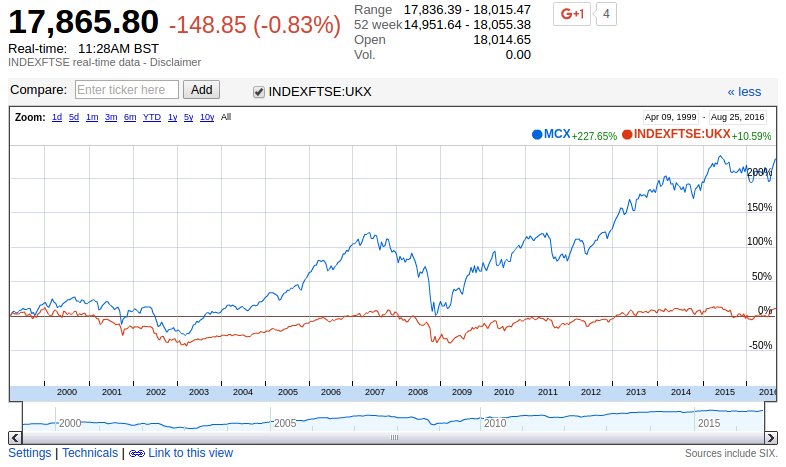
In fact, if you pick almost any 5-year window over this timeframe, the mid-cap index leaves its bigger brother in the dust. The FTSE 100 is top-heavy with slow-growing global giants, whereas the FTSE 250 features dynamic companies with room to run.
Will the trend continue? While you can easily buy the top 100 via a UK shares index fund or an ASX-listed ETF like the BetaShares FTSE 100 ETF (ASX: F100), getting FTSE 250 exposure usually means opening an international brokerage account to buy UK-listed ETFs.
Have a play yourself on Google Finance. Set the view to 5 years and drag the slider along the bottom to see how the two indices compare since 1999 (you'll need to compare the FTSE 250 index with the FTSE 100 index - INDEXFTSE:UKX).
Why have these indices diverged by so much?
For a deeper dive into why the two UK giants behave so differently, read this classic breakdown on FTSE 100 vs FTSE 250 divergence.